



Camping gear checklist for beginners in New Zealand
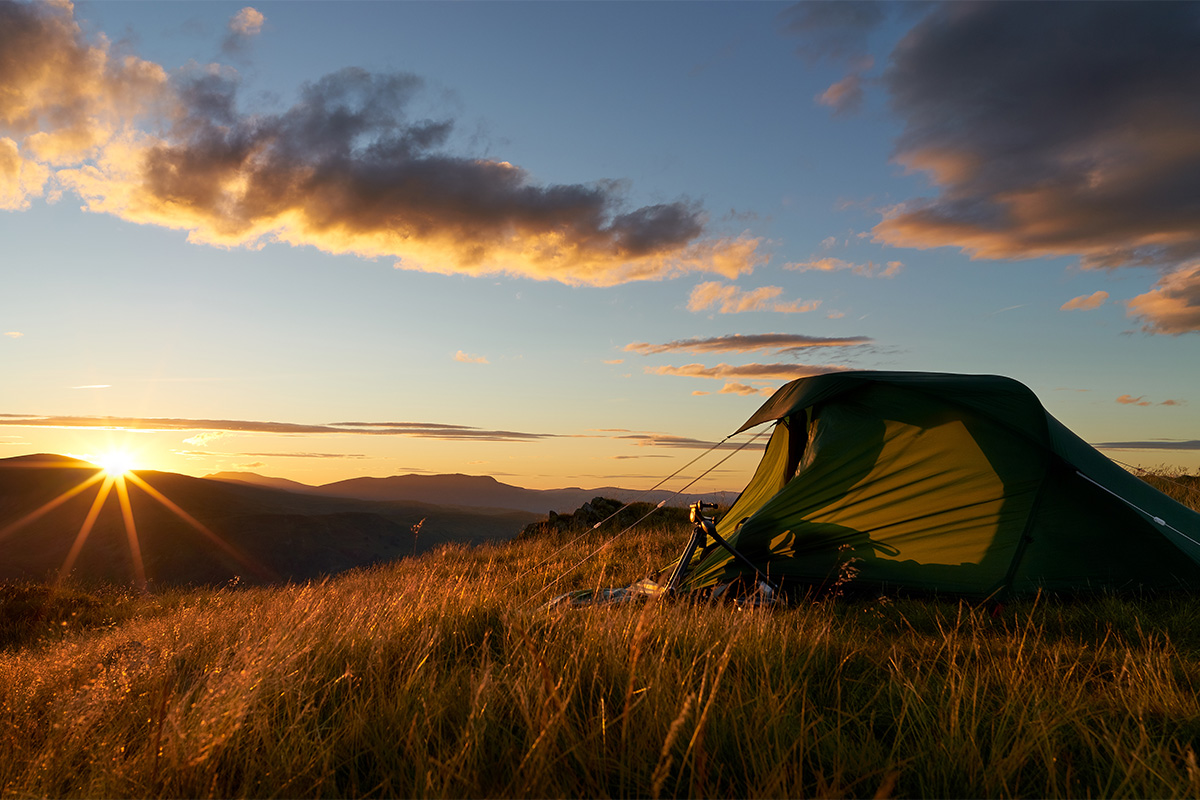

Beginner's Camping Guide · New Zealand
Heading out on your first camping trip? Here’s what to pack and check before you go.
By Geoff Rawlings, founder of EquipOutdoors | Last updated: August 2026 | 6 min read
A solid Kiwi camping setup starts with a reliable tent, a sleeping mat and a sleeping bag matched to the expected overnight conditions. For a weekend trip, add cooking gear, food and water, suitable clothing, lighting and basic safety equipment. Check the campsite facilities, weather and local rules before deciding what to pack.
1. Shelter and sleep
Start here. A dry tent and the right sleep system make the biggest difference to a first trip.
Choose a tent that handles NZ weather
A good-quality tent should be easy to pitch and provide suitable protection from the conditions expected at your campsite. Practise pitching it at home before the trip.
Match your sleeping bag to the conditions
Choose by comfort rating, then match it to the expected overnight temperature, location and time of year. It should also suit the space and weight available for your trip.
Add a sleeping pad for warmth and comfort
A sleeping pad adds cushioning and insulation from the ground. A self-inflating sleeping pad is a convenient option for many first-time campers.
Geoff's tip: For two campers, a three-person tent leaves useful room for bags and wet-weather downtime without becoming a mission to pitch.
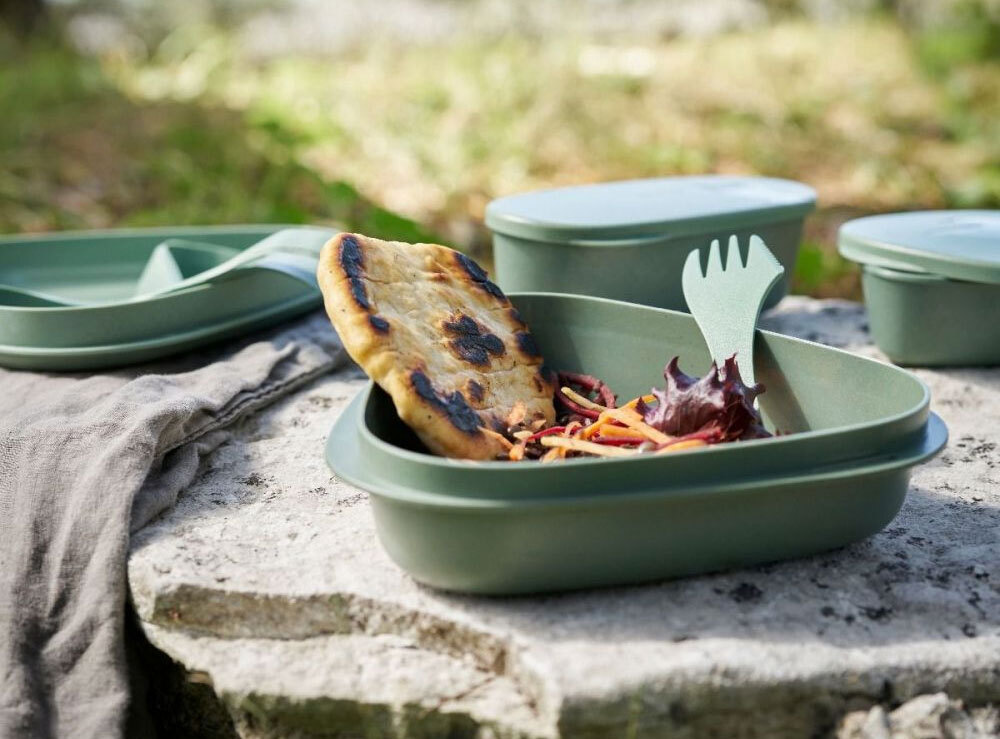
Keep the first camp kitchen simple: one stove, versatile cookware and meals you already know how to make.
2. The rest of the kit
Pack clothing for changeable NZ weather
Bring layers, warm clothing, waterproof outerwear and sturdy footwear suited to the forecast and campsite conditions.
Pack personal hygiene items
Bring toilet paper, hand sanitiser and toiletries. If you use biodegradable soap, wash in a container well away from lakes, rivers and streams.[3]
Bring navigation tools when needed
For unfamiliar or remote areas, carry a suitable map, compass or GPS device and know how to use it.
Before you pack fire starters
Only bring matches, a lighter or fire starters if fires are permitted. At DOC campsites, fires are only allowed in designated fireplaces when there is no fire ban.[1] Check the campsite rules and current fire status before you leave.
3. Camp kitchen
Choose a reliable camp stove
A camp stove or portable BBQ gives you a practical way to cook. Bring the correct fuel and follow campsite and fire-safety rules for the appliance.
Pack a practical camp kitchen
Bring the utensils and cookware your meals require, such as a spatula, pot, pan, knife, plates, cups and cutlery.
Pack enough food and water
Check the campsite page before leaving. Some sites have no water, while supplied water may be untreated and need boiling. Bring enough drinking water and extra food in case your trip is delayed.[2]
Take rubbish bags and pack everything out
Bring extra bags for separating recyclables and keeping the campsite tidy. If bins are not provided, take all rubbish and food scraps with you.[3]

Check the campsite rules before planning any open-fire cooking. A gas stove is the more practical option for most beginners.
4. Safety essentials
First aid kit and personal medication
Bring a kit suited to your group and trip, including supplies for common minor injuries and any personal medications.
Headlamp or torch
Pack a light for moving around after dark, plus spare batteries or another reliable power source.
Multi-tool or knife
Useful for food preparation and minor gear repairs. Pack and use it safely.
Tarp or emergency shelter
A lightweight tarp or emergency shelter can provide extra protection if the weather changes unexpectedly.
5. Before you leave home
Check the site facilities
Confirm the water supply, toilets, cooking shelter, rubbish collection and road access. DOC facilities vary by campsite category and location.[2]
Check the forecast and fire status
Recheck the weather close to departure. If you plan to light a fire, confirm the fire season, campsite rules and any restrictions.[1]
Confirm bookings and local rules
Check booking requirements, vehicle access, dog rules and local restrictions for the exact campsite. Do not assume one campsite works like another.
Camping with kids?
Read our family camping checklist
Frequently asked questions
What is the best tent for first-time campers in NZ?
Look for a tent that is easy to pitch, has a seam-sealed fly and comes with sturdy pegs. A three-person tent gives two people useful extra room for bags and wet-weather downtime. Practise pitching it at home before the trip.
How do I stay warm while camping in NZ?
Pack a moisture-wicking base layer, a warm mid-layer and a waterproof outer layer. Choose your sleeping bag by its comfort rating, match it to the expected overnight temperature, then add a sleeping pad to reduce heat loss into the ground.
What is the best camp stove for beginners?
A canister gas stove with straightforward controls and built-in ignition is a simple starting point. For car camping and larger meals, a portable BBQ or multi-burner stove may be more practical. Always check the relevant fire and campsite rules before use.
Do I need to treat water from NZ streams?
Yes. Treat water collected from natural sources, even when it looks clear. Boil it or use a suitable filter or purification treatment. Check the campsite information first so you know whether to bring water or treatment equipment.[2]
What is the difference between a DOC campsite and a holiday park?
DOC campsites range from basic sites with simple facilities to serviced campsites with more amenities. Holiday parks generally provide facilities such as powered sites, kitchens and hot showers. Check the individual site before booking.
Sources and further reading
- Department of Conservation: Lighting fires on public conservation land (accessed August 2026).
- Department of Conservation: Campsite categories, facilities and fees (accessed August 2026).
- Department of Conservation: How to be a low-impact camper (accessed August 2026).
Written by Geoff Rawlings
Geoff founded EquipOutdoors in Hamilton in 2003 and has spent more than two decades helping Kiwis choose camping and outdoor gear. He personally vets the products EquipOutdoors ranges.


