
New Zealand campervan packing checklist for first-time trips

Beginner's RV Guide · New Zealand
A practical first-timer's guide to packing, setting up and travelling New Zealand by campervan.
By Geoff Rawlings, founder of EquipOutdoors | Last updated: August 2026 | 5 min read
For a first NZ campervan trip, bring levelling blocks, the water and power connections required by the vehicle, bedding, kitchen gear, food, safety equipment and an emergency kit. Check the vehicle specifications, campsite facilities and local rules before you leave. A hired campervan may already include some of this equipment, so confirm what is supplied before packing.
1. Get the vehicle road-ready
Choose a campervan that suits your trip
Choose a campervan or motorhome that suits your group size, route, licence and budget. Check the sleeping layout, storage and facilities before booking.
Use a campervan-friendly navigation app
A suitable GPS device or navigation app can help you plan for vehicle dimensions, road restrictions and suitable routes. Check current road conditions before setting off.
Check your insurance, registration and licence
Make sure the vehicle is registered and insured, and that your driver's licence covers its weight and class. Check any rental agreement or permit requirements before the trip.[1]
Carry suitable tools and spares
Bring the tools and spares recommended for the vehicle. If it is hired, check the rental agreement and contact the provider before attempting repairs.
Pack levelling blocks and wheel chocks
Use levelling blocks to level the vehicle and wheel chocks to help stop it moving when parked on uneven ground.
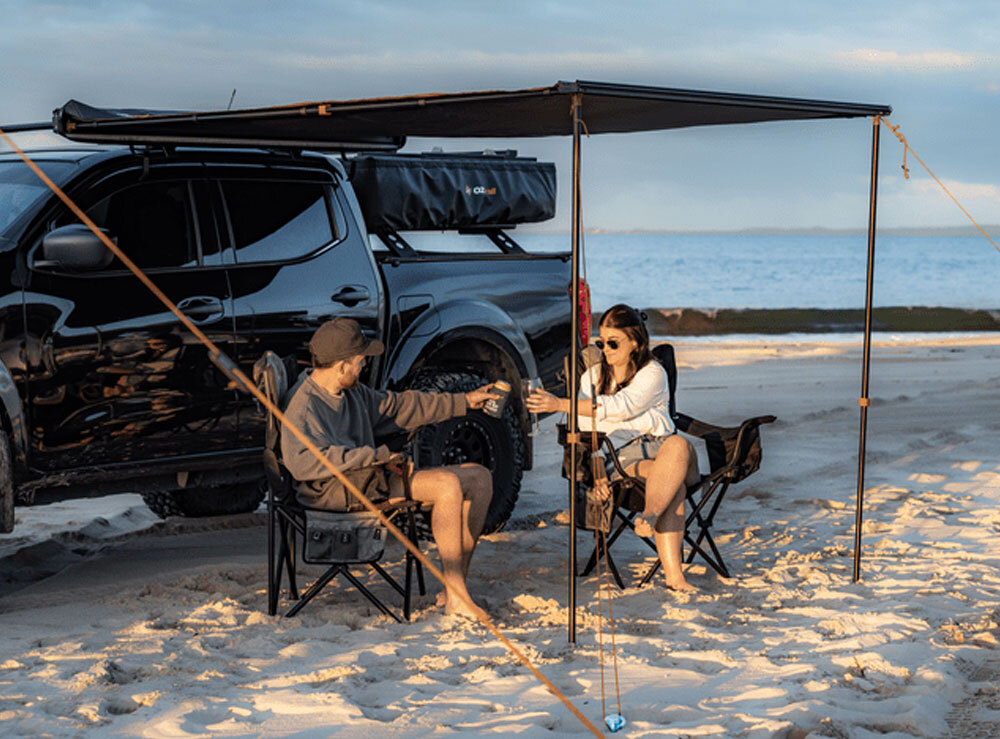
Keep the outdoor setup simple and sized to the storage available in the vehicle.
2. Life at a powered site
Bring the correct water, power and waste fittings
Check what your vehicle needs before you leave. Common items include a drinking-water hose, an approved mains power lead, and the correct equipment for emptying grey water and the toilet cassette at a dump station.
Complete the onboard safety checks
Check that the smoke alarm, carbon monoxide alarm and fire extinguisher are present and working where required. Make sure everyone knows how to leave the vehicle quickly in an emergency.
Pack bedding, pillows and towels
Check what the vehicle already includes, then bring the bedding, pillows and towels needed for a comfortable trip.
Pack the campervan kitchen basics
Bring the pots, pans, utensils, plates, cups and other kitchen equipment required for the meals you plan to make.
Plan food and drinks for the road
Bring enough food, drinking water and snacks for the route. Allow extra supplies for delays or locations with limited shops.
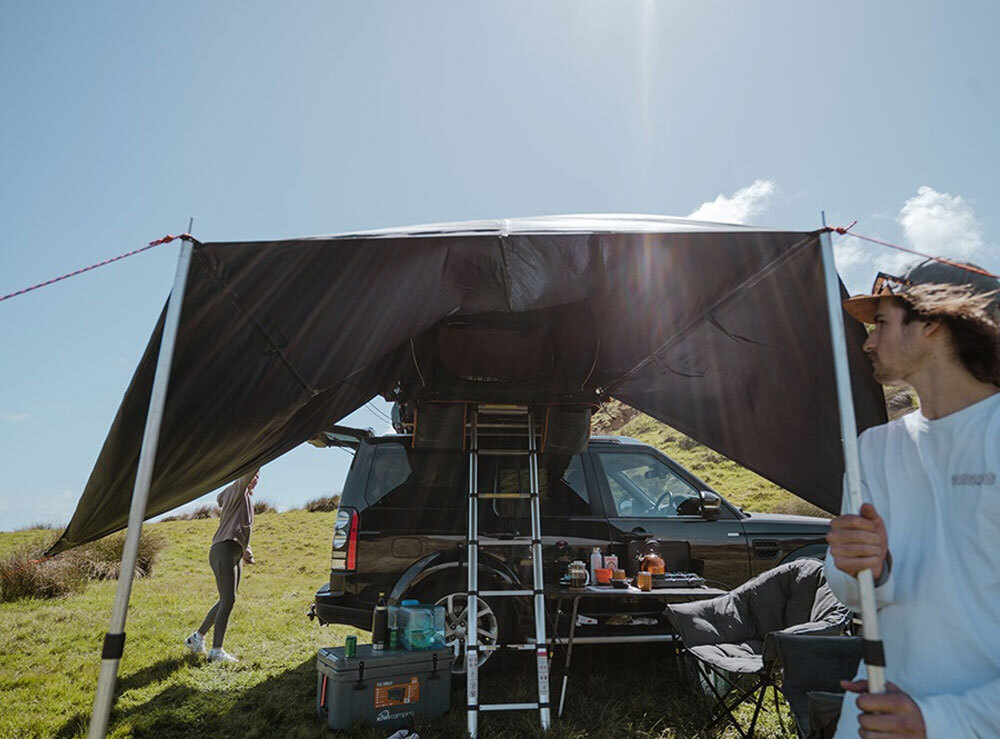
Check the campsite facilities and vehicle connections before deciding what to pack.
3. Comfort and backup gear
Pack everyday essentials
Bring toiletries, medication, clothing and the personal items required for your planned activities.
Add outdoor gear for your stops
Camping chairs, a portable grill, fishing gear or bicycles can make longer stops more enjoyable. Pack only what suits the available storage and your itinerary.
Download entertainment before leaving coverage
Bring books and games, or download entertainment before travelling through areas with limited mobile service.
Carry suitable maintenance supplies
Follow the vehicle handbook or rental agreement when choosing spare fluids and cleaning products. Do not carry or use maintenance products that the vehicle provider has not approved.
Pack an emergency kit
Include a torch, spare batteries, first aid supplies, extra food and water, emergency contacts, and the safety equipment appropriate for the route.
Before the trip, practise driving, reversing and parking the vehicle in a safe place. Plan the route, check road and weather conditions, and book popular campsites and ferry crossings early.
Frequently asked questions
Can I freedom camp anywhere in NZ?
No. Rules vary by council and location. Some places prohibit freedom camping, while others restrict it to certified self-contained vehicles. Where certification is required, the vehicle must display a valid green warrant card. Check DOC and the relevant council before you stay.
What is a dump station and where do I find one in NZ?
A dump station is a designated place for emptying a toilet cassette and grey-water tank. Use current council, tourism or camping information to find an authorised station along your route. Never discharge waste anywhere else.
Do I need a special licence to drive a motorhome in NZ?
A full NZ Class 1 licence generally covers vehicles up to 6,000 kg, which includes many campervans and motorhomes. Learner, restricted and overseas licences can have different conditions, so check the NZTA guidance and the vehicle weight before booking.
Can I take a campervan to the South Island?
Yes. Interislander and Bluebridge carry campervans and motorhomes between Wellington and Picton. Book ahead, particularly during peak travel periods, and check whether the rental company permits the vehicle to travel on the ferry.
Sources and further reading
- NZ Transport Agency Waka Kotahi: Driver licence classes (accessed August 2026).
- Department of Conservation: Freedom camping (accessed August 2026).
- Department of Conservation: Campervans at campsites (accessed August 2026).
Written by Geoff Rawlings
Geoff founded EquipOutdoors in Hamilton in 2003 and has spent more than two decades helping Kiwis choose camping and outdoor gear. He personally vets the products EquipOutdoors ranges.