



How to choose a camping stove for New Zealand trips

Camping Stove Guide · New Zealand
A complete guide to fuel types, burner setups, and safety for tramping, family camping, and campervan trips across NZ.
By Callum Rawlings | Last updated: September 2026 | 7 min read
The best camping stove depends on how you travel and what you cook. For tramping or solo hot drinks, choose a compact one-burner stove or integrated cooking system. For family and car camping, a stable two-burner cooker gives you more room, while an induction cooktop can suit a campervan with the right power supply.
Choose the stove for the way you travel
Tramping
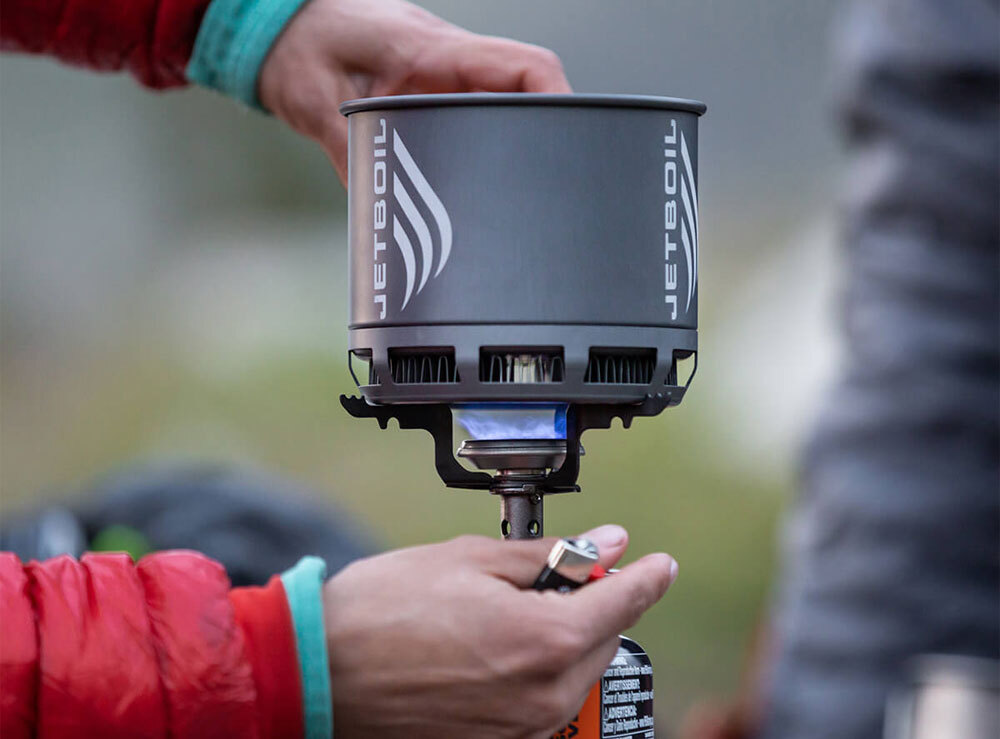
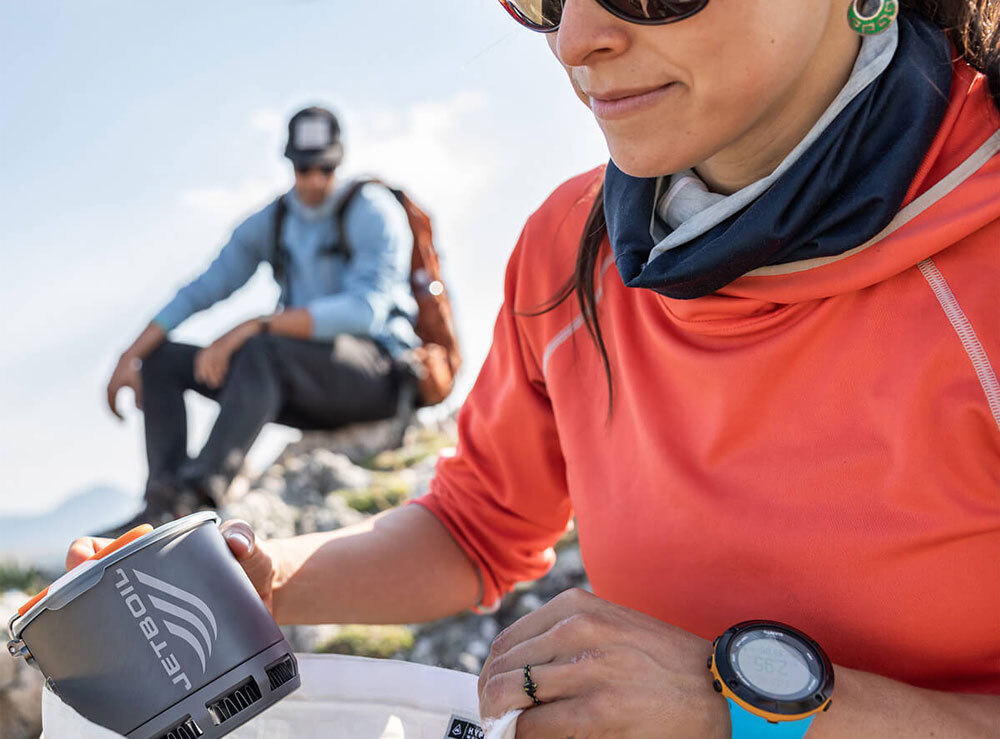
Weight, packed size and fuel matter when everything goes into your pack. A compact canister stove or integrated system suits boiling water, heating soup and preparing dehydrated meals. Compare the complete packed weight, including pot, stand and fuel, rather than the burner alone.
Solo boiling
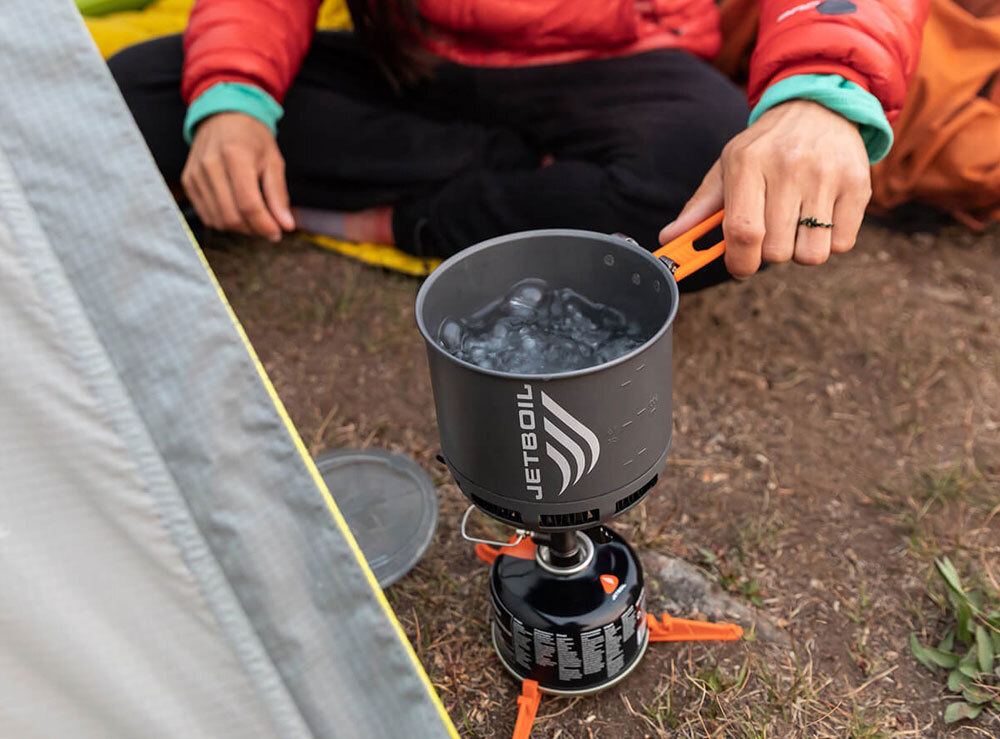
For hot drinks and boil-in-the-bag meals, choose a small one-person system with a secure pot connection and enough capacity for your usual meal. A canister stabiliser helps reduce the risk of a tall stove tipping over.
Family or group camping
A two-burner cooker lets you run a pot and frying pan together. Check the usable cooking area because two burners are little help if your usual pots will not fit side by side. A controllable low flame is useful for simmering.
Car camping
With the car nearby, you can prioritise stability, easy cleaning and meal choice over weight. Check the whole setup: stove, compatible fuel, hose or regulator, cookware and a safe cooking surface. A built-in windshield helps, but it does not make an enclosed space safe.
Campervan use
A single induction cooktop can work well when your campervan, caravan or power station can safely supply the required wattage. It has no open flame, but it needs induction-compatible cookware. Never assume a gas cooker is safe inside a vehicle. If the manufacturer says outdoor use only, that limit applies.
Stove and fuel types explained
Canister stoves use a sealed gas canister attached directly or by a hose. They are quick to set up and suit tramping or short camps, but valve and fuel compatibility varies.
Larger propane or LPG cookers suit car camping and group meals. They may connect to a disposable cylinder or refillable bottle through a regulator. Never improvise a hose or adaptor.
Spirit stoves burn alcohol-based liquid fuel. Trangia-style systems combine a simple burner with nesting cookware and a windshield. Never refill a spirit burner until it is fully extinguished and cool.
Induction cooktops use electricity rather than flame. Check maximum wattage against the continuous rating of your electrical system, not just the battery's advertised capacity.
Fuel compatibility and availability in New Zealand
Buy the exact fuel listed for your stove before leaving town. EquipOutdoors carries gas canisters, but remote stores and campsites may not have the valve, cartridge size or LPG fitting you need.
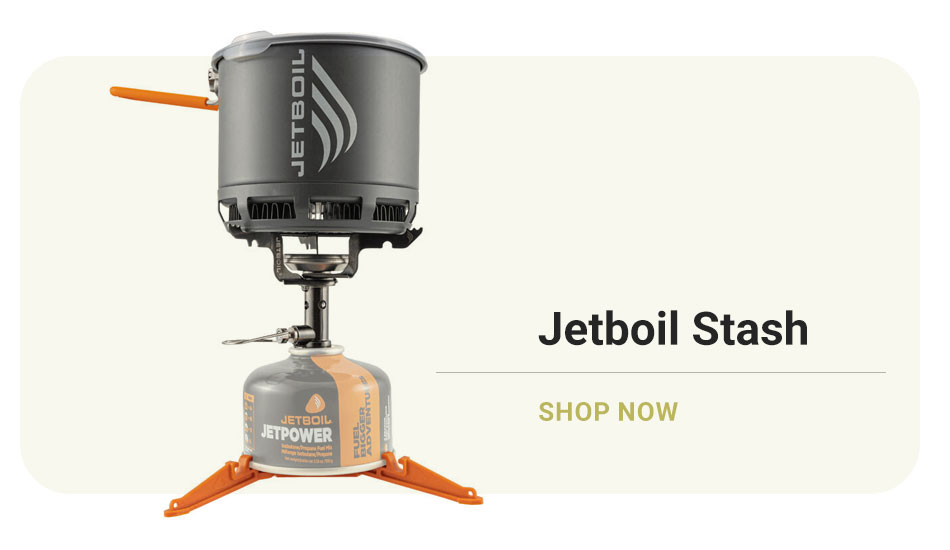
The Jetboil Stash uses JetPower fuel and an EN417-type valve. Companion specifies butane for the Pro Nano X2. The Companion High Output 2 Burner uses propane or LP gas through its supplied hose and regulator. The Trangia 27-1 UL uses alcohol-based spirit fuel only. Never substitute another fuel unless the manufacturer approves it.
Wind, cold weather, burner output and simmer control
Wind carries heat away and can destabilise a flame. Use the fitted windshield or an appropriate non-flammable windbreak while keeping the canister and hose clear of trapped heat.
Cold reduces pressure and output in gas canisters. Jetboil advises that all canister stoves lose performance as the fuel gets colder. Follow the manufacturer's cold-weather instructions and never warm a canister with a flame or reflected burner heat.
Burner output is only part of the picture. Pot design, wind, fuel pressure and flame control all affect cooking. For real meals, prioritise stable cookware support and simmer control. For hot drinks and dehydrated food, a fast-boil system may be enough.
One burner versus two or more burners
Choose one burner for low weight, small packed size and simple meals. Choose two burners when you want to cook a complete meal without waiting for one pan to finish. The trade-off is more weight, space and fuel use.
Weight, packed size and stability
Compare what each quoted weight includes. The 200 g Jetboil Stash is built around a compact 0.8 L pot. The 690 g Trangia 27-1 UL includes two saucepans, a frying pan, windshield and burner. The 5 kg Companion High Output 2 Burner is not for tramping, but its wide cooking area supports two large pots.
Set every stove on a firm, level surface. Use the supplied stabiliser, keep pots centred and turn handles away from passing feet and hands.
Safety limits and where a stove can be used
Combustion stoves produce carbon monoxide, an odourless poisonous gas. Do not use one in an enclosed tent, awning or vehicle. DOC advises good airflow when using an approved cooker in a hut and recommends a flat, clear surface away from flammable material.
Check local rules before lighting. Fire and Emergency New Zealand's open-air fire guidance covers gas and liquid-fuel cookers. DOC's fire guidance explains additional rules on public conservation land. Keep a way to extinguish fire nearby, supervise the stove and let it cool before packing.
Recommended camping stoves by use case
Best lightweight tramping pick: Jetboil Stash
This one-burner system suits one or two trampers who mainly boil water. It weighs 200 g excluding the fuel-canister stabiliser and packs into its 0.8 L pot. It uses JetPower fuel, and Jetboil lists an average boil time of 2 minutes 30 seconds for 500 ml. Trade-off: it has match ignition and no fuel regulator, so it is less suited to slow cooking.
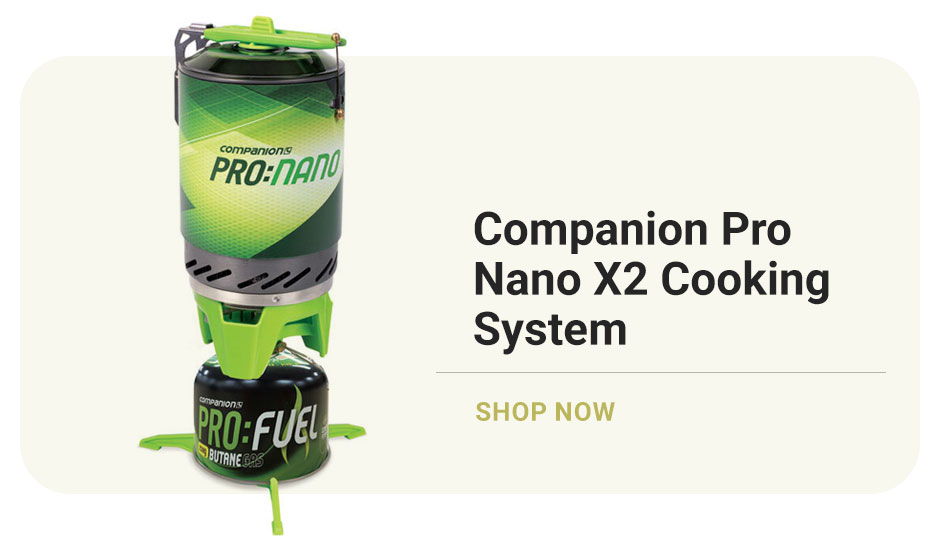
Best larger solo system: Companion Pro Nano X2 Cooking System
The Pro Nano X2 suits a solo camper or pair wanting a 1.2 L pot, piezo ignition and adjustable flame. It weighs 520 g and uses butane, with the cartridge sold separately. Companion gives an approximate 2.5-minute boil time for 500 ml. Trade-off: it is heavier than the Stash.
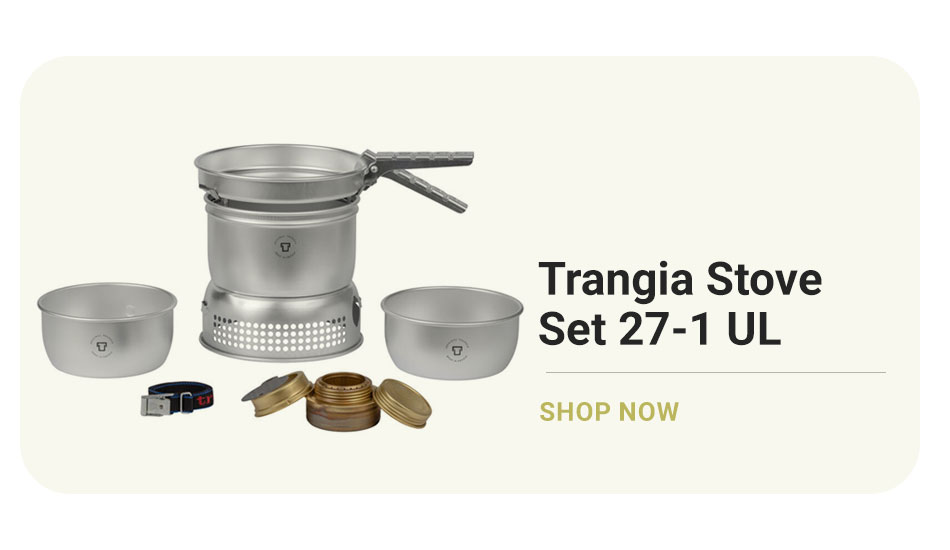
Best spirit-fuel set: Trangia Stove Set 27-1 UL
This 690 g nesting set suits one or two people who want cookware, a windshield and a spirit burner together. It uses alcohol-based fuel and includes a simmer ring, two 1 L saucepans and an 18 cm frying pan. Trade-off: cooking is slower and refuelling needs more care than with a canister stove.
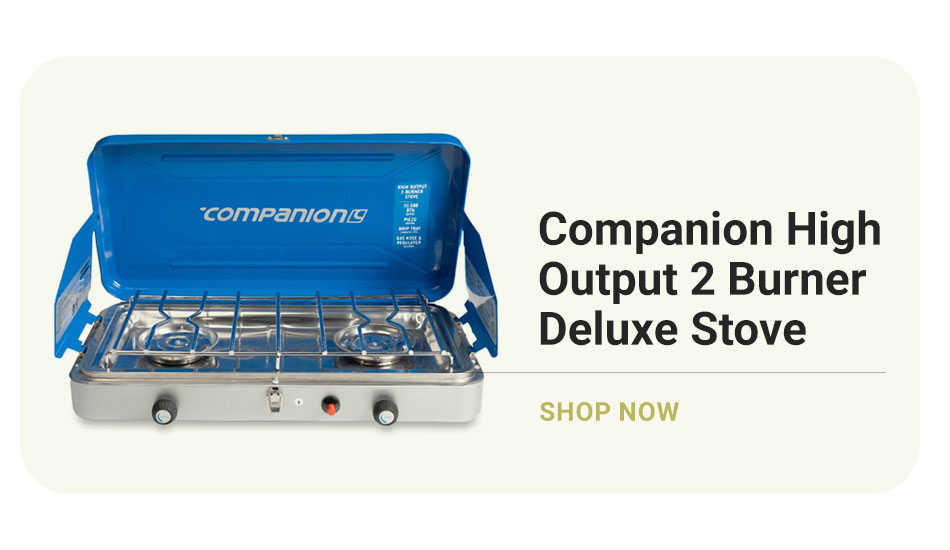
Best family or car-camping pick: Companion High Output 2 Burner Deluxe Stove
This outdoor-only cooker has two 25,000 BTU burners, built-in windshields, piezo ignition and room for two large pots. It uses propane or LP gas through the supplied hose and regulator and weighs 5 kg. Trade-off: it is bulky, has a high fuel demand at full power and needs a sturdy table.
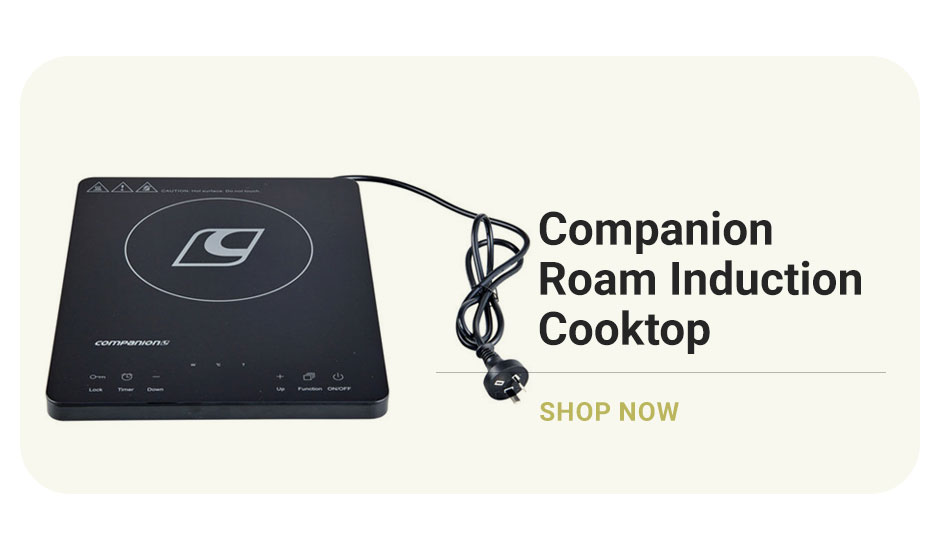
Best powered campervan option: Companion Roam Induction Cooktop - Single
The Roam runs on 220 to 240 V power, offers settings from 200 W to 2000 W and weighs 2.3 kg. There is no fuel canister or open flame. Trade-off: it needs induction-compatible cookware and an inverter, power station or campsite supply that can safely handle the chosen setting.
Frequently asked questions
What camping stove is best for tramping in New Zealand?
A light one-burner canister stove or integrated system suits boiling water and simple meals. Compare total packed weight, fuel compatibility, pot stability and cold-weather guidance.
Is a one-burner stove enough for camping?
Yes, for one or two people making simple meals. A two-burner stove is more practical for a family or when you need a pot and pan together.
Can I use a camping stove inside a tent or campervan?
Do not use a combustion stove in an enclosed tent or vehicle. Follow the manufacturer's location and ventilation instructions exactly because gas and liquid-fuel stoves produce carbon monoxide.
Which camping stove works best in wind?
Choose a model with an integrated windshield or manufacturer-approved windscreen. Use it on a flat surface in a sheltered spot, but do not surround a fuel canister with anything that may trap heat.
Does cold weather affect gas camping stoves?
Yes. Canister pressure and burner output fall as the fuel gets colder. Follow the manufacturer's instructions and never use a flame or stove heat to warm the canister.
A camping stove should match the trip, not simply have the highest output. Start with the number of people, menu and carrying distance, then compare fuel, stability and safety. Browse the full camping stove collection to compare current options.
BROWSE CAMPING STOVE COLLECTION


