
Beginner's tramping guide: What to pack for a New Zealand hike
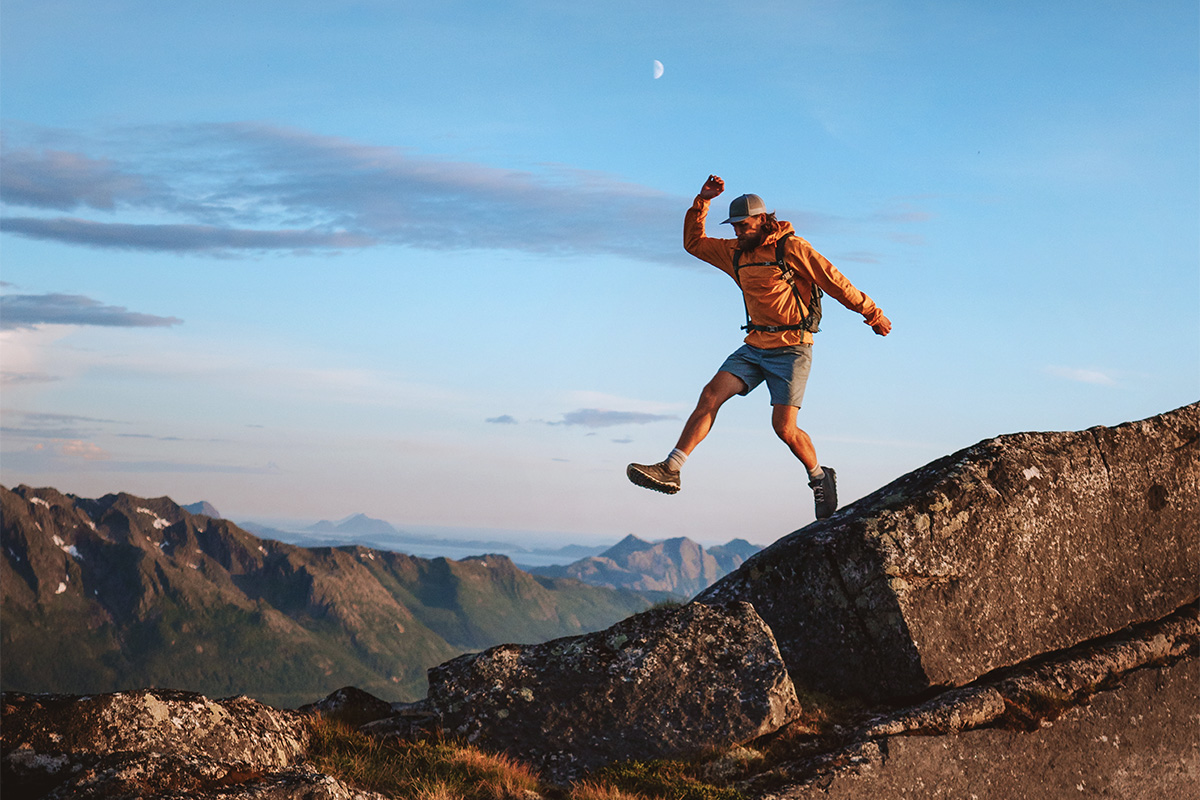

Beginner's tramping guide · New Zealand
A practical first-timer's guide to safer, more comfortable days on New Zealand tracks.
By Geoff Rawlings, founder of EquipOutdoors | Last updated: August 2026 | 5 min read
For a first NZ tramp, start with suitable footwear, a fitted pack, enough food and water, warm layers, waterproofs, navigation, a first aid kit and a PLB for backcountry trips. Multi-day tramps also need shelter, sleeping gear, a cooker and extra food. Match the list to the track, forecast and your experience.
1. Before you hit the track
Choose footwear that matches the track
Choose comfortable boots or shoes with grip suited to the terrain, conditions and load you will be carrying. Wear them before the trip so you know they fit well.
Choose and fit your pack
Your pack should have enough room for the trip and fit comfortably when loaded. Adjust the straps and weight distribution before you leave.
Sort out navigation before you set off
Carry the map, compass, GPS device or offline navigation your route requires. Know how to use your chosen tools before heading onto the track.[1]
Carry enough water for your tramp
Work out how much water your route requires and carry it. Do not count on topping up unless you confirmed a reliable water source while planning. Boil, filter or treat any water you collect.
BROWSE HYDRATION AND WATER TREATMENT GEAR
Pack food for the track
Bring lightweight, energy-rich food suited to the length of the trip. Pack extra food in case the tramp takes longer than planned.
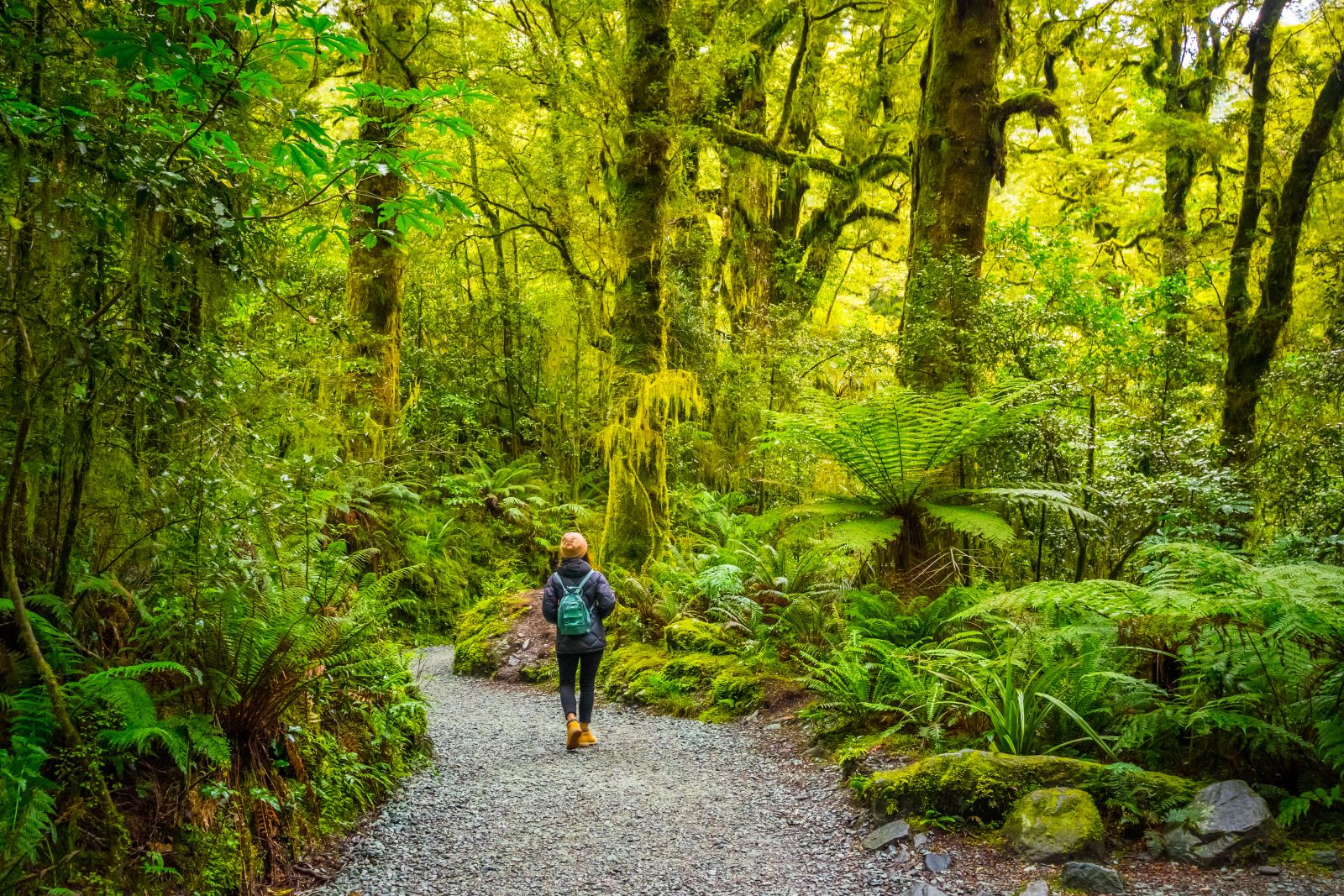
Build the kit around the route, forecast and load you will actually carry.
2. Safety and weather essentials
Dress in layers you can adjust
Wear quick-drying layers that you can add or remove as conditions change. Avoid relying on cotton in cold or wet conditions.
Pack sun protection for exposed tracks
Bring sunscreen, sunglasses and a hat, even when the day begins cloudy.
Carry rain gear for NZ conditions
Bring a waterproof jacket and suitable waterproof legwear. Check the forecast, but prepare for conditions to change.
Pack first aid supplies and medication
Carry a first aid kit suited to the trip, including blister treatment and any personal medication.
Carry emergency communication and shelter
For backcountry trips, carry a registered personal locator beacon. A whistle, emergency shelter or blanket, spare power and backup navigation can also help if plans change.[2]
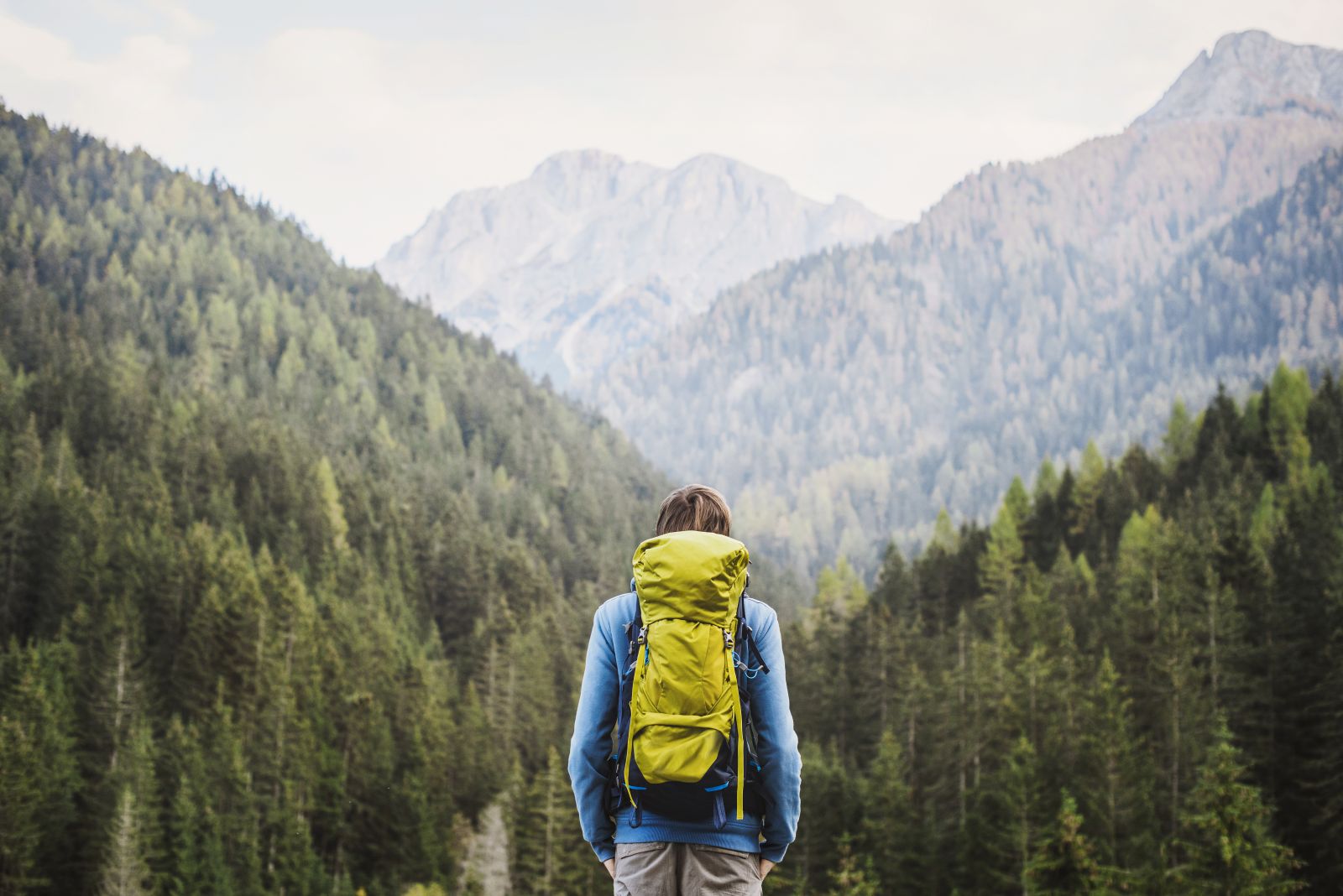
Load and adjust your pack before leaving home, not at the track entrance.
3. The rest of your kit
Take a headlamp and backup light
A headlamp helps if the walk takes longer than planned. Carry spare batteries or another reliable backup light.
BROWSE HEADLAMPS AND TRAMPING LIGHTING
Pack personal items and permits
Bring the identification, permits, booking information, phone and payment method your route requires.
Consider trekking poles for steep terrain
Trekking poles can improve stability and reduce strain on steep or uneven ground. Collapsible poles are easier to stow when they are not needed.
Carry out everything you carry in
Practise Leave No Trace principles by packing out all your rubbish. Carry extra bags for wet gear or any litter you collect.
Add overnight gear for a multi-day tramp
For a multi-day tramp, add the shelter, sleeping bag, sleeping mat, cooker, fuel and extra food required for the route and accommodation.
Research the track, check the weather and tell someone your plans before leaving. Stay on the marked route, respect wildlife, carry out your rubbish and turn back if the conditions are beyond your experience.
Frequently asked questions
Do I need special boots for NZ tramping?
Sturdy walking shoes or trail shoes may suit easy day walks on maintained tracks. More demanding terrain, heavier loads and multi-day trips may require boots with greater support and protection. Choose footwear for the actual route rather than the label alone.
How much water should I carry while tramping in NZ?
Water needs vary with the distance, weather, terrain and person. Check the route and confirmed water sources before leaving, carry enough between reliable sources, and boil, filter or treat any water you collect.
What should I do if the weather turns bad on the track?
Turn back early if it is safe to do so. If you cannot retreat safely, find shelter, stay warm and use your emergency communication equipment when needed. Check the forecast and track alerts before leaving, but be prepared for conditions to change.
How do I prepare for my first tramp in NZ?
Choose a well-marked track that suits your fitness and experience. Check the DOC information, weather and track alerts, download an offline map, tell someone your route and expected return time, and start early enough to finish in daylight.
Sources and further reading
- Department of Conservation: Maps for walking, tramping and hunting (accessed August 2026).
- Department of Conservation: Distress beacons (accessed August 2026).
Written by Geoff Rawlings
Geoff founded EquipOutdoors in Hamilton in 2003 and has spent more than two decades helping Kiwis choose camping and outdoor gear. He personally vets the products EquipOutdoors ranges.